What It Is
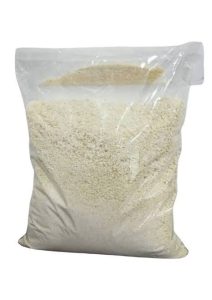
Garri is one of the most popular staple foods in West Africa, particularly in Nigeria. It is a granular flour made from cassava tubers (Manihot esculenta), which undergoes fermentation, dewatering, and roasting. The result is a dry, crispy, and slightly sour product with a long shelf life, making it a highly sought-after food both locally and internationally.
Nutritional Value
- Rich in carbohydrates (energy food).
- Provides dietary fiber, aiding digestion.
- Contains small amounts of protein, calcium, iron, and vitamin C (depending on processing).
- Low in fat and cholesterol.
Varieties
Garri comes in different types based on color, grain size, and processing methods:
- White Garri – Made without palm oil, commonly consumed in the western and northern parts of Nigeria.
- Yellow Garri – Produced by adding palm oil during processing, common in the eastern region.
- Ijebu Garri – A finer, very sour garri variety from the Yoruba region.
- Delta Garri (Starch Garri) – Coarser and less fermented, often used for special delicacies.
Uses
Garri is highly versatile and can be prepared in different ways:
- Soaked Garri (Cold Cereal Form): Mixed with cold water, sugar, milk, groundnut, or coconut, making a refreshing meal.
- Eba (Hot Swallow): Stirred into hot water until it forms a smooth, dough-like paste eaten with soups like egusi, ogbono, or vegetable soup.
- Industrial Uses: Garri is also being explored in food processing industries for making snacks, flour mixes, and instant meal packs.
Packaging for Export
- Export-ready garri is usually packaged in moisture-proof, airtight, and hygienic bags or containers to prevent spoilage.
- Common export packaging includes polypropylene bags, PET jars, or laminated pouches ranging from 1kg, 2kg, 5kg, 10kg, up to 50kg.
- Vacuum-sealed packaging is preferred in international markets to maintain freshness and prevent mold growth.
Export Specifications
- Moisture Content: Maximum 12%
- Hydrocyanic Acid (HCN): Below 10 mg/kg
- Whiteness/Color: Must meet buyer requirements (white or yellow).
- Particle Size: Fine, medium, or coarse (depending on buyer preference).
- Shelf Life: 6–12 months if properly packaged and stored in a cool, dry place.
Major Export Destinations
- United Kingdom
- United States
- Canada
- Germany
- Netherlands
- France
- Middle East countries with high African diaspora populations
Market Demand
The demand for garri in the international market is driven largely by the African diaspora who consume it as a traditional food. Increasingly, it is also gaining attention among non-Africans as an alternative gluten-free flour and energy-rich food.
HS Code
- HS Code for Garri: 1106.20.00 (Flour, meal, and flakes of roots and tubers of manioc (cassava))