What is Bitter Kola?
Bitter Kola (Garcinia kola) is a tropical plant widely grown in West Africa, especially Nigeria. Known as the “wonder nut,” it has been traditionally used for centuries due to its medicinal, cultural, and nutritional value. Bitter Kola is valued in pharmaceutical, food, beverage, and herbal medicine industries around the world.
Why Export Bitter Kola?
Bitter Kola presents one of the most profitable export opportunities from Africa, with growing global demand due to its wide range of uses. Nigeria is among the largest producers, making it a prime location for sourcing and exporting this commodity.
Uses and Benefits of Bitter Kola
- Medicinal Value
- Used in the treatment of coughs, colds, and lung infections.
- Aids digestion and relieves constipation.
- Known for its antibacterial and antifungal properties.
- Traditionally used to manage diabetes and boost immunity.
- Pharmaceutical Industry
- Extracts are used in the production of herbal drugs and supplements.
- Contains kolaviron, a compound being researched for liver protection and detoxification.
- Cultural & Traditional Uses
- Plays a role in African traditional ceremonies and social gatherings.
- Used as a natural energizer, similar to caffeine.
- Economic Uses
- Exported as raw nuts, powdered form, or processed herbal extracts.
- Increasing demand in Europe, America, Asia, and the Middle East.
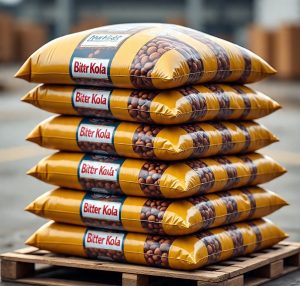
Bitter Kola Export Market
- Top Importing Countries: USA, UK, China, Germany, India, Saudi Arabia, and other Middle Eastern nations.
- Market Demand: Rising interest in herbal medicine and natural remedies has increased global demand.
- HS Code: 1211.90 (Plants and parts used primarily in perfumery, pharmacy, or for insecticidal/fungicidal purposes).
Export Specifications
- Form: Whole nuts, dried nuts, or powdered form.
- Moisture Content: Not more than 12% (to prevent mold and spoilage).
- Packaging:
- Polypropylene or jute bags for bulk (25kg, 50kg).
- Vacuum-sealed bags for premium quality exports.
- Quality Requirements: Must be well-dried, free from mold, insects, and foreign matter.
Export Opportunities & Profitability
Exporting Bitter Kola is lucrative because:
- Global price per metric ton is significantly higher compared to local sales.
- It has a steady year-round demand in pharmaceutical and herbal industries.
- There are low entry barriers compared to other commodities, making it attractive for new exporters.
Steps to Export Bitter Kola
- Sourcing & Quality Control: Work with trusted local farmers and suppliers.
- Processing & Drying: Ensure moisture content is reduced to international standards.
- Packaging: Use export-standard packaging for durability during shipping.
- Documentation: Obtain necessary export documents (NEPC registration, phytosanitary certificate, certificate of origin, bill of lading, etc.).
- Shipping: Use sea or air freight depending on the volume and urgency.
Challenges in Bitter Kola Export
- Strict quality requirements in international markets.
- Post-harvest losses if not properly dried.
- Limited awareness among new exporters about global standards.
Conclusion
Bitter Kola export is a golden opportunity for Nigerian exporters and African businesses at large. With increasing demand across the globe for herbal and natural remedies, positioning in this market can yield significant profits. By ensuring quality, proper packaging, and compliance with export standards, exporters can tap into the billion-dollar global herbal medicine industry.